
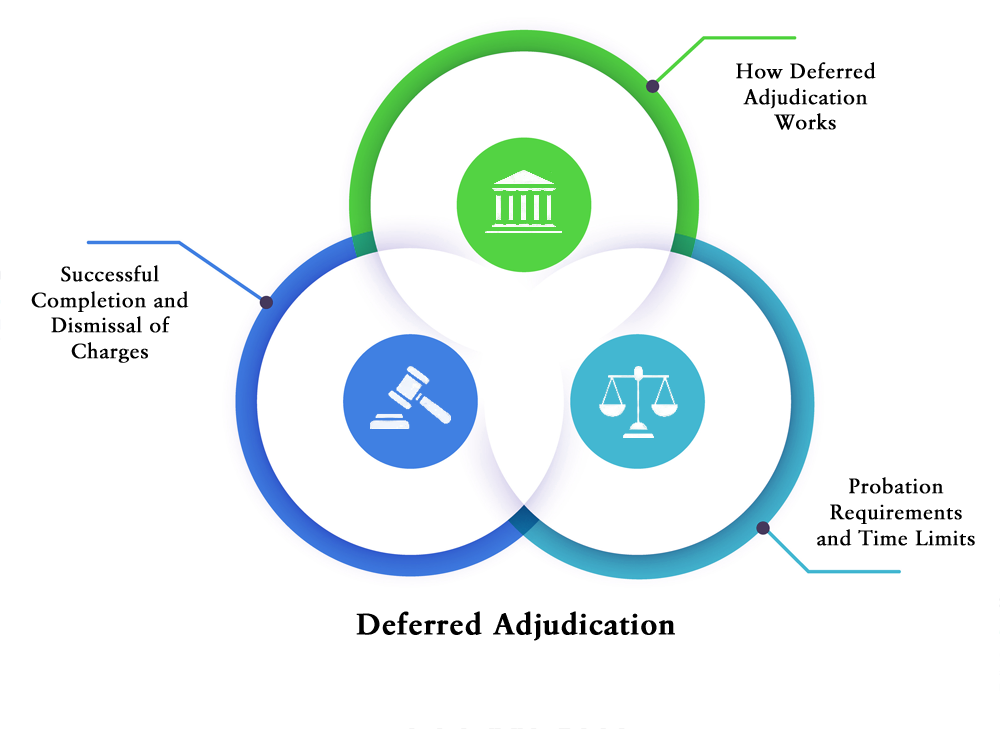
 Deferred Adjudication in Travis County, Texas
What Is Deferred Adjudication?
Think of deferred adjudication as a probation-first deal to keep a conviction off your record. Normally, if you plead guilty in court, the judge immediately convicts you and hands down a sentence like jail time or regular probation.
With deferred adjudication, you still plead guilty or no contest, but the judge hits the pause button. Instead of convicting you right away, the judge places you on probation-style supervision for a set time (up to two years for misdemeanors, up to ten years for felonies). If you finish everything without causing trouble, the court dismisses the charges, and you walk away without a formal conviction.
Only a judge can grant this deal; a jury cannot.
Who Can Get It?
Deferred adjudication is commonly used in Texas for first-time offenders and people charged with certain misdemeanors or felonies. However, eligibility depends on the crime, your criminal history, and the specific facts of your case.
Common Eligible Offenses
Some of the most common criminal charges where deferred adjudication may be on the table include:
- First-Time DWI: Certain first-time driving while intoxicated charges, provided you meet strict eligibility rules—like your blood alcohol level being below 0.15, not holding a commercial driver’s license, and not causing an accident or injury. You will also have to install an ignition interlock device in your vehicle.
- Drug Possession: Possession of marijuana, cocaine, methamphetamine, prescription medications without a prescription, and other controlled substances.
- Theft and Shoplifting: Stealing merchandise, property, or money, particularly in lower-level or first-offense cases.
- Assault: Certain misdemeanor assault charges. (Warning: If it involves domestic or family violence, you might be allowed to take the deal, but it comes with a major catch—you can never get the record sealed, and any future assault charge can instantly be bumped up to a felony).
- Criminal Mischief: Damaging someone else’s property, including vandalism.
- Trespassing: Entering or remaining on someone else’s property without permission.
- Possession of Drug Paraphernalia: Equipment or items associated with illegal drug use.
- Fraud and Forgery: Offenses involving fake checks, forged documents, credit cards, or shady financial transactions.
- Burglary: Certain burglary offenses (like breaking into a car or building), depending on how serious the charge is and your past record.
- Unlawful Carrying of a Weapon: Certain gun or weapons charges that qualify under state law.
- Evading Arrest: Running or fleeing from law enforcement.
- Driving With a Suspended License: Driving while your license is invalid or suspended.
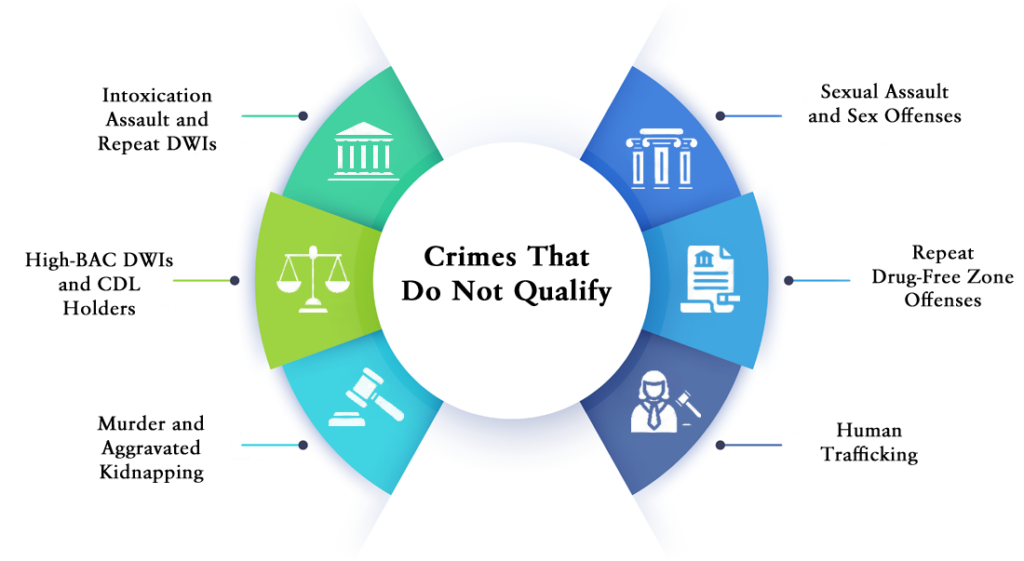
Crimes That Do Not Qualify
Certain serious crimes are completely blocked from deferred adjudication by law. A judge simply cannot offer it for:
- Intoxication manslaughter, intoxication assault, or repeat/felony DWIs.
- First-time DWIs where your blood alcohol level is 0.15 or higher, or if you had a commercial driver’s license.
- Murder, capital murder, and aggravated kidnapping.
- Sexual assault, aggravated sexual assault, or any crime requiring sex offender registration.
- Repeat drug offenses committed in designated drug-free zones.
- Human trafficking.
For all other crimes, the judge makes the final call after looking at your criminal history, the severity of the charges, and what happened during your arrest.
Why Do Courts Offer Deferred Adjudication?
Deferred adjudication gives eligible people a second chance to avoid a criminal conviction by successfully completing court-ordered requirements instead of going to jail or prison.
It also benefits the courts and the community by reducing jail overcrowding, saving taxpayer money, and avoiding unnecessary trials. Rather than focusing only on punishment, courts can require counseling, community service, drug or alcohol treatment, and regular supervision. The goal is to hold people accountable while helping them keep their jobs, support their families, and avoid getting into trouble with the law again.
The Big Upsides
- No Conviction on Your Record: You avoid a formal guilty verdict, making it much easier to keep or find a job, stay in school, and rent an apartment.
- No Jail Time: You serve your time out in the community while living at home and supporting your family.
- The Chance to Seal Your Criminal Record: Successfully finishing deferred adjudication does not erase the arrest, but you can ask the court for an Order of Nondisclosure to hide it from the public. This keeps it off background checks run by private landlords and employers. Depending on the offense, you may be able to seal it immediately after finishing probation, or you might have to wait up to five years.
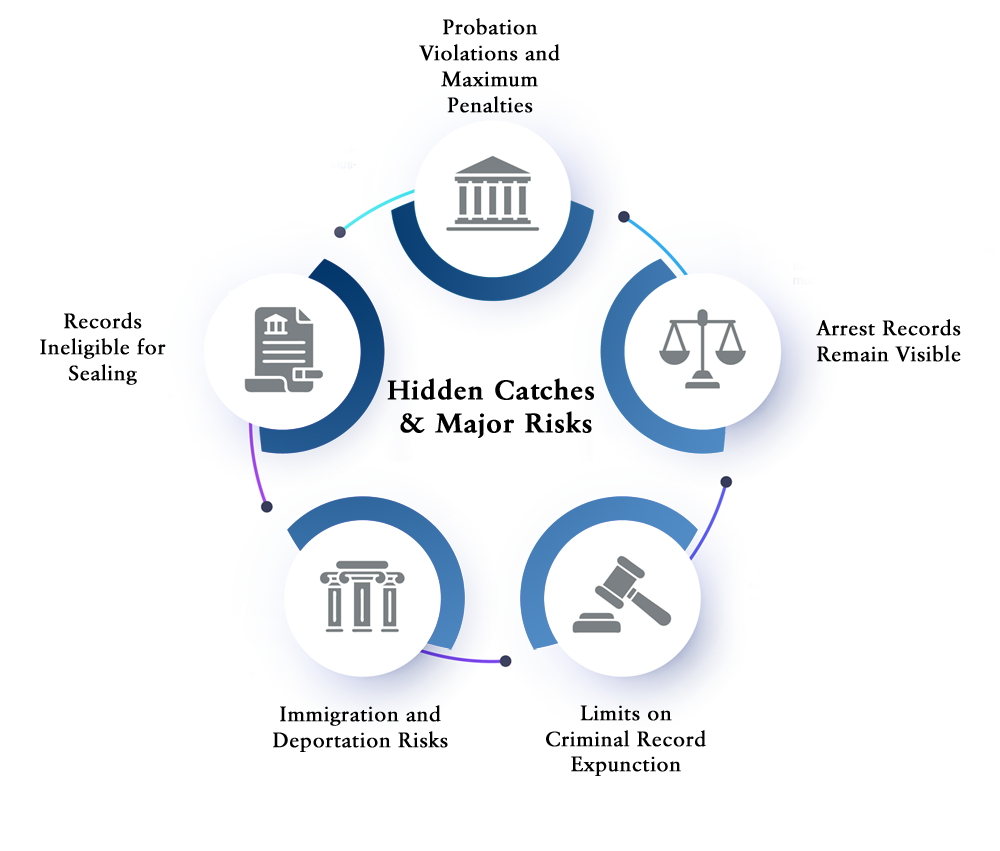 The Hidden Catches and Major Risks
Deferred adjudication sounds like an easy out, but it comes with serious strings attached:
- The “Trap Door” Penalty: If you break any probation rule (like failing a drug test, missing fee payments, or getting arrested again), the prosecutor asks the judge to revoke the deal. Because you already pleaded guilty or no contest, there is no trial to determine if you committed the crime. The judge can convict you on the spot and hand down any penalty allowed by law for that crime—up to the absolute maximum prison sentence, regardless of what your original plea deal was.
- Your Arrest Record Stays Visible: Finishing probation does not make your arrest vanish. Background checks will still show you were arrested and placed on probation until you go back to court to have it sealed. Even if sealed, law enforcement, courts, prosecutors, and dozens of state licensing agencies (like nursing, medical, real estate, and law enforcement boards) can still see the entire file.
- You Cannot Completely Erase (Expunge) the Charge: Taking deferred adjudication for anything higher than a minor, ticket-only offense means you permanently give up the right to have the arrest completely erased and shredded from your record.
- Immigration Dangers: Federal immigration laws treat deferred adjudication as an actual conviction because you admitted guilt or pleaded no contest to get the deal. For non-U.S. citizens, this can trigger mandatory deportation or block you from ever becoming a citizen.
- Some Records Can Never Be Sealed: Completing deferred adjudication does not guarantee you can hide it later. If your case involved domestic violence, sexual offenses, stalking, or child endangerment, the record stays open to the public forever.
Deferred Adjudication vs. Pretrial Diversion
People often confuse these two, but pretrial diversion generally offers a better opportunity to clear your record if you qualify:
- Pretrial Diversion: Run by the prosecutor, not the judge. You generally do not plead guilty in front of a judge. You take classes, pay fees, or do community service. The prosecutor completely drops the charges, and you can later file to have the entire arrest completely erased and destroyed (expunged).
- Deferred Adjudication: Handled by a judge in a courtroom. It requires a guilty or no-contest plea, generally cannot be completely wiped away (only sealed from certain background checks), and carries the risk of maximum prison time if you violate probation rules.
Deferred adjudication can be a smart safety net when the police have strong evidence against you, a trial would likely end in a guilty verdict, and pretrial diversion is off the table.
However, if the evidence against you is weak, if police searched you illegally, or if you are not a U.S. citizen, accepting deferred adjudication may carry significant disadvantages. In those situations, fighting the charges in court may give you a chance at a dismissal or a “not guilty” verdict, which protects your ability to fully wipe your record clean.
Building Your Defense Before the Prosecution Builds Its Case
This is why launching an immediate independent investigation with a criminal defense lawyer can make a massive difference.
Law enforcement begins building its case the moment an officer writes a report. Critical defense evidence—including police body camera footage, dashcam recordings, store surveillance video, physical evidence, and witness statements—can be overwritten, lost, or forgotten if not secured right away. By uncovering evidence, identifying inconsistencies, and exposing police mistakes early, a defense lawyer can challenge the prosecution’s case before it ever reaches the courtroom.
Frequently Asked Questions
Is Deferred Adjudication Considered a Conviction in Texas?
No. The judge postpones finding guilt and places you on probation. If you follow all the rules and finish successfully, the case is dismissed without a criminal conviction. If you break the rules, the judge can find you guilty and convict you.
- Example: Marcus is placed on deferred adjudication for theft. He follows every rule, pays his fees, and finishes his term. The judge dismisses the case, and Marcus never receives a criminal conviction.
Will Deferred Adjudication Show up on a Criminal Background Check?
Yes. The arrest and court case remain visible on background checks until you get an Order of Nondisclosure to seal the record.
- Example: Elena finishes deferred adjudication for assault, and she later gets her record sealed with an Order of Nondisclosure. The record disappears from apartment background checks and regular job applications. However, when she applies for a state nursing license, the licensing board can still see the arrest and probation.
Can Deferred Adjudication Be Expunged in Texas?
For almost all offenses, no. An expunction completely destroys an arrest record, but taking deferred adjudication blocks you from ever erasing it for misdemeanors and felonies. The only real exception is a minor, ticket-only offense (like a traffic ticket or simple drug paraphernalia charge), which can be expunged after completion. For everything else, your only option is sealing the record, not erasing it.
What Happens After You Successfully Complete Deferred Adjudication?
The judge signs an order discharging you from probation and dismissing the charge. However, your record is not automatically wiped clean or hidden. You must actively file a petition to get an Order of Nondisclosure to seal the arrest and court records from the public.
- Example: Sophia completes two years of deferred adjudication for forgery. The court dismisses the case, meaning she avoids prison and a conviction, but the arrest still shows up on commercial background checks until she asks the court to seal the record.
How Long Does Deferred Adjudication Last, and When Can You Seal Your Record?
Deferred adjudication lasts up to 2 years for misdemeanors and up to 10 years for felonies. After finishing and getting the case dismissed:
- Misdemeanors: Many low-level charges can be sealed immediately. But for certain sensitive charges—like assault, weapons offenses, or disorderly conduct—you must wait a mandatory 2 years after finishing probation before you can ask to seal it.
- Felonies: You must wait a mandatory 5 years after finishing probation before asking the court to seal your record.
- During that waiting period, you cannot get into any new legal trouble.
Is Sealing a Deferred Adjudication Difficult?
It is not difficult if your crime qualifies, but the rules are strict. The hardest parts are staying completely out of trouble during the waiting period and making sure your original charge isn’t permanently banned from sealing (like family violence). Once you are eligible, it is simply a matter of filing paperwork with the court, paying the fees, and showing the judge that sealing your record is in the interest of justice.
Is Pretrial Diversion or Deferred Adjudication Better?
Pretrial Diversion is almost always the better option because you do not have to plead guilty, the prosecutor drops the charge, and you can later completely erase the arrest from your record. Deferred adjudication requires a guilty or no-contest plea, can only be sealed rather than erased, and can result in maximum prison time if you slip up.
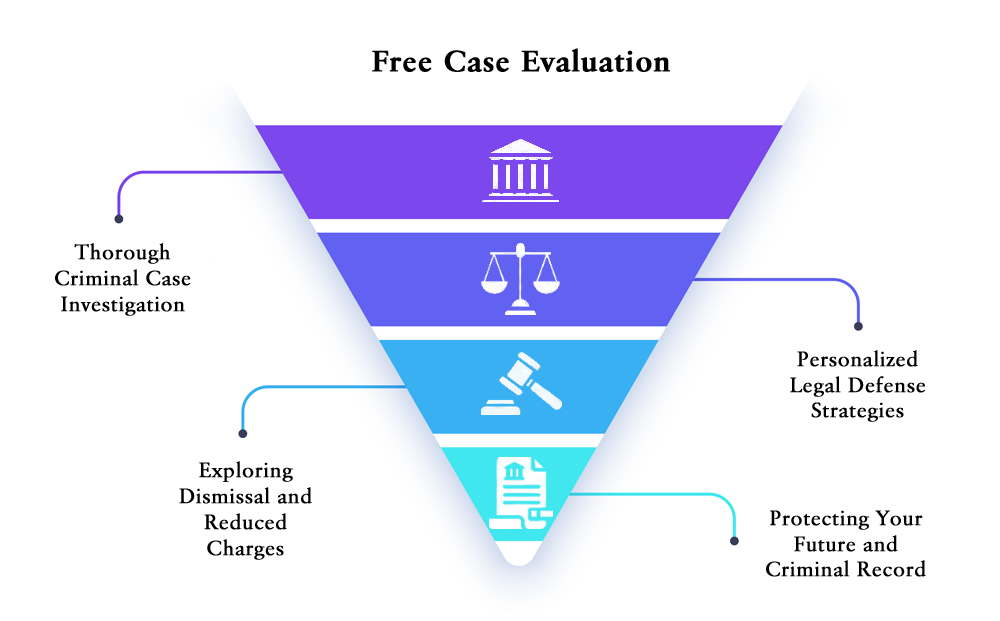 Schedule Your Free Criminal Defense Case Evaluation
At The Law Office of Ken Gibson, every criminal case begins with a thorough investigation to uncover weaknesses in the prosecution’s evidence and identify opportunities to have charges dismissed or reduced. Deferred adjudication may or may not be in your best interest, depending on the facts and circumstances of your case, especially if there is a way to get your charges dismissed without pleading guilty or no contest, undergoing months or years of supervision, or risking a permanent criminal record. During your free, no-obligation case evaluation, we will listen to your story, discuss your legal options, and explain how we can fight the charges against you. No matter which legal strategy we pursue, our goal remains the same: no criminal conviction and no permanent criminal record.
Submit your contact information below to schedule your free case evaluation.
Schedule a Free Case Evaluation Online